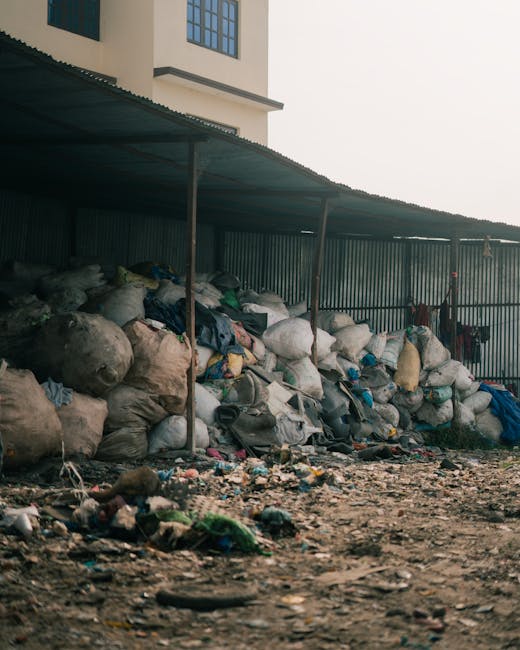
Emergency rubbish removal for dumped waste in South London fast
If you've just found dumped waste outside your property, on a driveway, by a bin store, or along a side road, you probably want the same thing everyone wants in that moment: it gone, quickly, without the hassle. Emergency rubbish removal for dumped waste in South London fast is exactly that kind of service. It is the practical response when rubbish has been fly-tipped, left after a move, abandoned by builders, or dumped where it can cause a mess, a smell, or a safety problem.
In real life, these situations are rarely neat. It might be a heap of black bags at dawn, a smashed wardrobe blocking access, or builders' offcuts scattered where children or delivery drivers pass. This guide explains what emergency dumped waste removal involves, how it works, what to check before booking, and how to choose the right approach for South London. No fluff. Just the useful bits.
Table of Contents
- Why it matters
- How it works
- Key benefits and practical advantages
- Who this is for and when it makes sense
- Step-by-step guidance
- Expert tips for better results
- Common mistakes to avoid
- Tools, resources and recommendations
- Law, compliance, standards and best practice
- Options, methods and comparison table
- Case study or real-world example
- Practical checklist
- Conclusion
- Frequently asked questions
Why Emergency rubbish removal for dumped waste in South London fast Matters
Dumped waste is not just unsightly. It can block access, attract vermin, create trip hazards, and make a property look neglected very quickly. If the waste is left on shared land, near a shopfront, or beside a block of flats, the problem tends to spread. One bag becomes three. Then somebody adds a mattress, then a broken desk, and before long the area starts looking like a tipping point, literally.
South London has a mix of dense residential streets, estates, commercial units, conversions, and narrow access roads. That makes dumped waste more awkward than people expect. A job that looks small from the pavement can be fiddly once you account for stairs, parking, shared entrances, or limited loading space. Fast removal matters because the longer waste sits there, the more complaints you get, the more risk builds up, and the harder it becomes to manage neatly.
There is also the reputational side. For landlords, letting agents, shop owners, office managers, and even homeowners, a pile of rubbish can send the wrong message fast. If you've ever walked past a place at 8am and thought, "that looks bad already," you'll know the feeling. It only takes one ugly corner.
Expert summary: Fast dumped waste removal is about more than speed. It is about restoring access, reducing risk, and stopping a small problem from turning into a bigger one.
How Emergency rubbish removal for dumped waste in South London fast Works
The process is usually straightforward, but the details matter. A reliable team will ask what has been dumped, how much there is, where it is located, and whether it can be accessed safely. If the waste includes bulky items, loose rubble, or potentially hazardous materials, that changes the approach. Truth be told, that first call often decides how smooth the rest of the job will be.
In many cases, emergency removal follows a simple flow:
- Assessment: You describe the dumped waste, location, and access conditions.
- Arrival planning: The team chooses the right vehicle, crew size, and equipment.
- Safe loading: Waste is removed carefully, with attention to sharp edges, heavy items, and contamination.
- Sorting: Reusable or recyclable materials may be separated where appropriate.
- Responsible disposal: Waste is taken away for lawful disposal or recovery through the proper channel.
For example, dumped household waste in a front garden may only need a small crew and a quick clearance. Dumped builders' waste outside a renovation property may need heavier lifting, possibly a different service such as builders waste clearance. If the pile includes a broken sofa, a mattress, or a mix of furniture, a broader furniture disposal solution may be more efficient. Matching the job to the waste type is what keeps it fast.
One small but important point: emergency does not always mean chaotic. A good team works briskly, but also properly. There's no prize for rushing if it means damage, missed items, or a mess left behind.
Key Benefits and Practical Advantages
Fast dumped waste removal offers a few obvious benefits, and a few that people only appreciate once the job is done.
- Immediate visual improvement: The area looks cleaner straight away, which matters for homes, rentals, businesses, and communal spaces.
- Reduced safety risk: Loose glass, nails, broken wood, and unstable piles are cleared before they cause injury.
- Less stress: You do not have to organise bags, hire a van, or handle awkward heavy lifting yourself.
- Better access: Doorways, paths, parking spaces, and shared entrances become usable again.
- More reliable disposal: Waste is handled in a way that supports proper sorting and lawful disposal.
There is also a practical money angle, although it is easy to overlook. A fast response can prevent secondary costs: complaints from neighbours, delays to moving day, delayed trades, or downtime for a business. If the dumped waste is affecting a commercial property, an organised business waste service may sometimes be the cleaner long-term fix, especially where waste keeps appearing in the same place.
And for homes with clutter spreading from the garden or driveway, it can be worth thinking beyond the emergency pile. A quick fix now, yes, but also a more permanent route for the next round. Otherwise you end up doing the same job twice. Nobody wants that.
Who This Is For and When It Makes Sense
This kind of service is not only for dramatic fly-tipping incidents. It helps a wide range of people in South London, especially when time matters and the waste needs to disappear quickly.
- Homeowners dealing with dumped rubbish in a driveway, front garden, alleyway, or shared access path.
- Landlords and letting agents who need a property cleared before viewings, check-out, or new tenants move in.
- Businesses with illegally dumped rubbish outside shops, offices, or service entrances.
- Residents in flats where waste has been left in communal areas or near bin stores.
- Builders and contractors who need a tidy-up after a site issue, missed collection, or abandoned load.
- Property managers handling urgent clearances across shared buildings or estate land.
It makes sense when the waste is too much for a normal bin day, too awkward for a DIY trip, or too urgent to leave until the weekend. It also makes sense when the type of waste is mixed and unpredictable. Old chairs, garden clippings, cardboard, bagged rubbish, and loose offcuts all together? That is where a proper rubbish removal or rubbish clearance approach becomes a lot easier than trying to split it up yourself.
Sometimes the trigger is not the size of the pile. It is the inconvenience. One blocked entrance at the wrong time can be enough.
Step-by-Step Guidance
If you need emergency rubbish removal for dumped waste in South London fast, a calm process usually gets the best result. Here is the sensible order to follow.
- Check the waste from a safe distance. Look for sharp objects, chemical containers, broken glass, or anything that might be hazardous.
- Take a few photos. This helps if you need to report fly-tipping, show the scale of the job, or explain access constraints.
- Measure roughly. A rough idea of volume is often enough. Is it a few bags, a sofa, a roomful, or a small mountain of regret?
- Note access details. Steps, narrow alleys, parking restrictions, locked gates, and basement entrances all matter.
- Identify the waste type. Household rubbish, furniture, garden cuttings, builders' waste, or mixed junk may need different handling.
- Ask how it will be removed and disposed of. You want a process that is tidy, lawful, and realistic for the waste type.
- Clear a path if you can. Even moving one wheelie bin or unlocking a gate can save time on site.
- Confirm timing. In an emergency, same-day or next-available booking is often the goal.
If the dumped waste is part of a wider clear-out, consider whether other spaces need attention too. A cluttered garage, a stuffed spare room, or a front garden full of cuttings can be grouped into one visit. Services such as garage clearance, garden clearance, and home clearance can make the whole process more efficient.
Small tip, but a useful one: if the pile is near parked cars, try to leave enough space for loading and for people to pass. The job goes much smoother when everyone can breathe a bit.
Expert Tips for Better Results
Most problems with emergency waste jobs come from poor information, not the waste itself. The more clearly you describe the job, the better the outcome usually is.
- Be precise about access. "It's in the back alley behind the red gate" is better than "it's near the house."
- Say if anything is unusually heavy. Wet carpet, soil bags, bricks, or old appliances change the lift.
- Separate what you can. If there are safe, easy-to-move items apart from the main pile, that can save time.
- Share urgency honestly. If you need it gone before builders arrive, a viewing starts, or neighbours complain again, say so upfront.
- Think about repeat dumping. If the same spot keeps attracting rubbish, you may need a longer-term plan, not just one clearance.
In our experience, the best jobs are the ones where the customer sends a quick photo, gives clear access instructions, and mentions the awkward bit straight away. It makes life easier for everybody. And yes, it saves the awkward back-and-forth that nobody enjoys at 7:30 in the morning.
Another practical point: if the dumped waste includes bulky furniture, a separate sofa removal option may be the neatest way to deal with one or two large items without overcomplicating the job.
Common Mistakes to Avoid
When people are in a rush, the same mistakes crop up again and again. Avoiding them can save time and money, and sometimes a headache or two.
- Waiting too long to act. Dumped waste tends to spread, smell, or attract more waste if it is left alone.
- Assuming all rubbish is the same. Mixed waste, rubble, furniture, and garden material can need different handling.
- Trying to move unsafe items alone. Broken glass, contaminated bags, and heavy debris can be dangerous.
- Forgetting access details. A service may be quick, but not if the team arrives to find a locked gate and nowhere to stop.
- Choosing a service only on speed. Fast is important, but so is proper disposal and clear communication.
A quieter mistake is not thinking about the next few days. If you clear dumped rubbish but leave the same area cluttered with old furniture, box piles, or broken shelves, the space can still feel unresolved. Sometimes a broader waste clearance or waste removal approach is more sensible than a one-off patch.
Let's face it, when the pressure is on, it is easy to grab the first option that sounds quick. But a little pause pays off.
Tools, Resources and Recommendations
You do not need a truckload of equipment to deal with dumped waste well, but a few basics help if you are preparing the site or checking the area before collection.
- Heavy-duty gloves for minor site tidying and safe handling of sharp edges.
- Bin bags or rubble sacks if loose waste needs gathering before the team arrives.
- Flashlight for dark alleys, basement corners, or under-stair spaces.
- Phone camera for photos and before-and-after records.
- Basic measuring estimate so you can describe the load size more accurately.
For recommendations, think in terms of the waste type and setting. A flat clearance might suit mixed household items. An office with dumped chairs and packaging may be better handled through office clearance. A site with renovation debris may need a more targeted route, while a home with scattered unwanted items may benefit from a broader house clearance.
If you want to understand a provider better, a good starting point is their company information and service detail pages, such as about us and the service pages most relevant to your waste type. That gives you a feel for how they work before you commit.
Law, Compliance, Standards and Best Practice
Dumped waste is not only a practical nuisance; it can also sit within a wider legal and compliance picture. The safest general rule is simple: waste should be removed, handled, transported, and disposed of responsibly. If you are the owner, tenant, landlord, business operator, or site manager, you should avoid leaving waste where it can become a hazard or create a nuisance.
In the UK, proper waste handling normally means using a responsible carrier, keeping clear records where needed, and ensuring the waste goes to an appropriate disposal route. That matters more with mixed loads, commercial waste, or anything that could be contaminated. If there are hazardous materials involved, do not guess. Separate them, secure the area, and seek guidance from a qualified provider with the right experience.
Best practice also includes:
- making sure waste is not simply shifted from one spot to another;
- avoiding unsafe manual handling;
- keeping walkways, entrances, and fire routes clear;
- sorting reusable or recyclable materials where it is practical to do so;
- using a service that explains how the waste will be managed.
If your situation involves commercial premises, the expectations can be a bit stricter in practice because waste outside a business can affect customers, neighbouring occupiers, and local upkeep. That is where services like business waste and waste collection are often the more orderly option.
Nothing fancy here. Just a reminder that compliance is mostly about common sense, good handling, and not creating a fresh problem while removing the old one.
Options, Methods, or Comparison Table
Not every waste problem needs the same fix. Here is a simple comparison to help you choose the most sensible route.
| Option | Best for | Strengths | Limitations |
|---|---|---|---|
| Emergency rubbish removal | Urgent dumped waste, fly-tipped piles, access issues | Fast response, immediate visual impact, less stress | May cost more than a routine booking and needs clear access details |
| Standard rubbish removal | General household or mixed waste without immediate urgency | Flexible, simple, suitable for larger non-urgent jobs | Not ideal if the waste is causing an immediate problem |
| Builders waste clearance | Rubble, timber offcuts, packaging, renovation debris | More suitable for site waste and heavier loads | Less appropriate for purely domestic dumped waste |
| Furniture disposal | Bulky items like sofas, wardrobes, tables | Efficient for large items that are awkward to move | Not a full solution for mixed dumped waste piles |
| Flat or house clearance | Whole-property clearances, end-of-tenancy, major declutters | Useful when the problem extends beyond one pile | Can be more than you need for a small dumped load |
If you are unsure, start with the waste type and the urgency. That usually narrows it down fast. A single dumped mattress is one thing; a mixed pile of bags, rubble, and broken furniture is another. No need to force one answer onto both.
Case Study or Real-World Example
Here is a realistic example from the kind of job people often face in South London. A property manager arrives on site early one weekday and finds a pile of dumped bags, a broken chair, and several black sacks left by a service entrance. The waste is partly blocking access for deliveries, and there's already a complaint from a nearby tenant.
Rather than wait for the next scheduled collection, the manager sends photos, explains the access route, and notes that the rubbish is behind a gate with a narrow path. A crew is arranged for the same day. The team removes the dumped waste, clears the area properly, and the entrance is usable again by the afternoon. Simple job, but the timing mattered. If it had sat there until the weekend, it would have become a bigger mess, and probably a smellier one too.
Another common version of this happens with mixed domestic waste after a move. Someone leaves items outside because the bins are full and a van could not park. It starts with a couple of bags, then furniture gets added, then rain soaks through cardboard and the pile turns heavy and unpleasant. That is when fast action stops a nuisance becoming a proper headache.
The lesson? The earlier you handle dumped waste, the easier everything gets. That sounds obvious, but in the moment, obvious things are the ones people forget.
Practical Checklist
Use this quick checklist before booking emergency rubbish removal for dumped waste in South London fast.
- Have I checked the waste from a safe distance?
- Do I know whether it is household rubbish, furniture, garden waste, builders' waste, or mixed material?
- Have I taken clear photos of the pile and the access route?
- Have I noted any steps, gates, parking issues, or tight entrances?
- Is anything sharp, heavy, contaminated, or potentially hazardous?
- Do I need same-day action, or is next-day acceptable?
- Have I thought about whether other spaces should be cleared at the same time?
- Am I clear on where the waste is located and what needs removing?
- Have I made the path to the waste as clear as possible?
- Do I know who needs the area back and by when?
If you can answer most of those questions, you are in good shape. If not, gather the missing details first. It takes a few minutes and makes the whole process easier.
Get a free quote today and see how much you can save.
Conclusion
Dumped waste is one of those problems that feels small until it lands on your doorstep. Then it becomes urgent, awkward, and strangely all-consuming. The good news is that emergency rubbish removal for dumped waste in South London fast is designed for exactly that moment: when the site needs clearing quickly, safely, and without unnecessary drama.
The best results come from clear information, the right type of service, and a sensible approach to access and disposal. Whether you are handling one dumped load or a recurring problem outside a property, getting it sorted quickly protects the space, the people using it, and your own peace of mind. And honestly, that peace of mind counts for a lot.
When the pile is gone and the area is quiet again, you notice the difference straight away. The air feels lighter. The place looks cared for. That is usually the moment people realise they should have done it sooner.
Frequently Asked Questions
What counts as dumped waste in South London?
Dumped waste is rubbish that has been left where it should not be, such as beside a property, in a shared alley, near a bin store, or on private land. It can include bags of household rubbish, furniture, builders' waste, or mixed junk.
How fast can emergency rubbish removal happen?
Timing depends on the location, waste type, and access, but emergency jobs are usually prioritised for the soonest available slot. If the waste is blocking access or creating a safety issue, say so clearly when you enquire.
Can you remove dumped furniture as well as general rubbish?
Yes. Bulky items such as sofas, wardrobes, tables, and mattresses are commonly removed alongside other dumped waste. If the job is mostly large furniture, a dedicated furniture disposal or sofa removal approach can be more efficient.
Is emergency rubbish removal suitable for builders' waste?
It can be, especially if builders' debris has been dumped unexpectedly or left in a way that creates an urgent problem. For heavier construction material, a builders waste service is often the better fit.
What should I do before the team arrives?
Take photos, note access details, and make the route to the waste as clear as possible. If it is safe to do so, move any loose obstacles out of the way. Do not try to handle sharp or hazardous items yourself.
Do I need to separate different types of waste first?
Not always, but if you can safely separate obvious furniture, loose rubbish, and garden waste, it can help. Mixed loads are common, though, so a good provider should still be able to assess the whole pile.
Can dumped waste be removed from flats and shared buildings?
Yes. Flat blocks, communal corridors, bin stores, basements, and shared access paths are all common collection points. Services such as flat clearance are often useful when the waste sits inside or around apartment buildings.
What if the dumped waste is on commercial premises?
Business sites often need a fast response because waste outside a shop, office, or service entrance affects operations and appearance. Business waste or office clearance services can be appropriate depending on what has been dumped.
Is fast removal better than waiting for a normal collection day?
If the waste is causing a hazard, blocking access, or attracting complaints, yes, fast removal is usually the better choice. Waiting often makes the job dirtier and more awkward later on.
How do I know if I need rubbish collection or waste disposal?
Rubbish collection is usually about the physical pick-up and removal. Waste disposal refers to what happens after the waste is taken away. In practice, the two go together, but it helps to think of them as collection plus responsible handling.
What areas in South London are covered?
South London coverage typically includes many residential and commercial locations across the area, from places like Brixton, Clapham, Battersea, Streatham, Tooting, Balham, Wandsworth, Putney, and Wimbledon to surrounding districts. Exact service reach can vary, so it is always worth checking the specific location.
What is the safest way to handle unknown dumped waste?
Treat unknown waste cautiously. Keep away from anything leaking, sharp, or visibly hazardous, and avoid opening sealed bags. If you are unsure what is inside, let the collection team assess it on site and handle it properly.