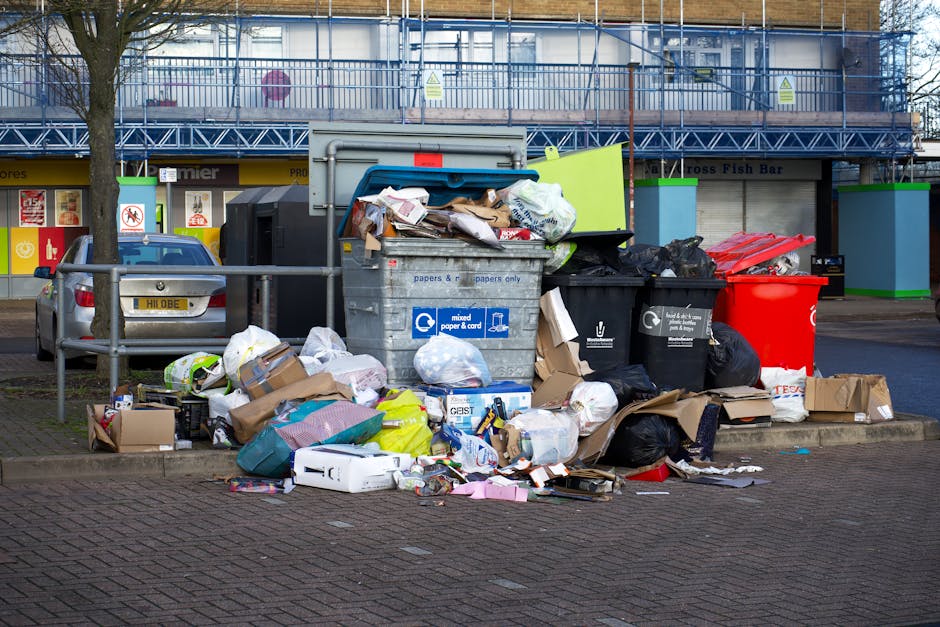
Insider tips bulky waste removal Clapham Common SW4 South London
If you are staring at an old sofa, a broken wardrobe, a pile of renovation offcuts, or a garage full of bits you meant to sort out last summer, you are not alone. Bulky waste has a way of sitting there, taking up space and quietly making the whole place feel more stressful than it should. The good news? With the right approach, Insider tips bulky waste removal Clapham Common SW4 South London can be far easier, cleaner, and more cost-effective than most people expect.
This guide is written for real-life situations in and around Clapham Common: tight stairwells, shared entrances, busy pavements, awkwardly heavy items, and the usual London time pressures. You will find practical advice on planning a removal, avoiding common mistakes, understanding what good service looks like, and choosing the right option for your property. Nothing fluffy. Just the useful stuff, properly explained.
Quick takeaway: the easiest bulky waste jobs are the ones planned properly before anyone lifts a thing. Measure, sort, check access, and be clear about what needs removing. That alone can save time, money, and a small amount of stress you probably do not need.
Table of Contents
- Why Insider tips bulky waste removal Clapham Common SW4 South London Matters
- How Insider tips bulky waste removal Clapham Common SW4 South London Works
- Key Benefits and Practical Advantages
- Who This Is For and When It Makes Sense
- Step-by-Step Guidance
- Expert Tips for Better Results
- Common Mistakes to Avoid
- Tools, Resources and Recommendations
- Law, Compliance, Standards, or Best Practice
- Options, Methods, or Comparison Table
- Case Study or Real-World Example
- Practical Checklist
- Conclusion
- Frequently Asked Questions
Why Insider tips bulky waste removal Clapham Common SW4 South London Matters
Bulky waste is not just "rubbish". It is the awkward, heavy, oversized stuff that does not fit neatly in a bin bag or a standard collection routine. Think old mattresses, wardrobes, broken desks, garden furniture, shelves, appliances, exercise equipment, and the sort of leftover clutter that appears after a clear-out or refurb. In a place like Clapham Common SW4, that matters because homes and access points are often tight, parking is limited, and neighbours are close by. A badly planned job can turn into a chain of small annoyances very quickly.
Why does this topic deserve proper attention? Because bulky waste removal affects more than just tidiness. It affects safety, access, hygiene, and how smoothly the rest of your day goes. If an item blocks a hallway or sits in a shared garden, it can become a nuisance. If it is damp, broken, or infested, it can become a much bigger problem. And if you are trying to clear a flat, office, or rental property on a deadline, one missed detail can throw everything off. Harsh, but true.
There is also a financial side. Rushing into the wrong service can lead to avoidable call-out costs, extra labour charges, or delays because the team did not know about stairs, lift access, or item size. The more clearly you understand the job, the better your result tends to be. That is the real value of insider tips: not tricks, just better decisions.
For many readers, the question is not whether to remove bulky waste, but how to do it without wasting time. Should you do part of the work yourself? Can items be reused or separated for recycling? Do you need full clearance rather than a one-off collection? Those questions are exactly where good planning pays off.
How Insider tips bulky waste removal Clapham Common SW4 South London Works
In practical terms, bulky waste removal is a simple process on paper and a slightly messy one in real life. You identify the items, decide what stays and what goes, arrange collection or clearance, and make sure the team can remove everything safely. The wrinkle, as usual, is access. A sofa that looks straightforward in a lounge can become a bit of a puzzle when it has to negotiate a narrow staircase, a sharp turn, or a front door that barely opens fully.
Most removal jobs in SW4 follow a similar pattern:
- You list the bulky items and, if possible, group them by type.
- You check access: floor level, stairs, lift, parking, and any courtyard or rear-entry issues.
- You request a quote or estimate with as much detail as you can give.
- You confirm the collection window and prepare the items for quick loading.
- The team removes, loads, and disposes of the waste using appropriate routes and facilities.
It sounds tidy. Sometimes it is. Sometimes someone finds an extra cupboard hiding behind a filing cabinet and suddenly the van space is tighter than expected. That is why a walk-through before collection helps so much.
If your bulky waste is mixed with general rubbish, furniture, or post-renovation debris, it can also help to use a more rounded service such as rubbish removal in South London or waste clearance, rather than treating each item as a separate mini-job. For bigger domestic jobs, a broader home clearance or even a flat clearance can be the cleaner option.
A helpful rule of thumb: if the job is more than a few bulky items and you are already feeling the strain of sorting, lifting, and loading, it is usually time to think beyond "just chucking it out."
Key Benefits and Practical Advantages
The biggest benefit is simplicity. Good bulky waste removal takes a job that feels sprawling and breaks it into a clear, manageable sequence. But there are other advantages that are easy to overlook until you need them.
- Less physical strain: heavy furniture and white goods are not worth a strained back or a near-miss on the stairs.
- Faster turnaround: a prepared collection can be done far more efficiently than a last-minute scramble.
- Cleaner spaces: removing one awkward item often makes the rest of the room much easier to sort.
- Better reuse potential: separating reusable furniture or metal items can reduce waste and support better disposal outcomes.
- Fewer access problems: with the right planning, you avoid the awkward moment when a sofa simply will not make the turn.
- More control over cost: when you know exactly what needs clearing, you are in a better position to compare like-for-like options.
There is also a less obvious benefit: momentum. Once bulky waste starts disappearing, the rest of the clear-out suddenly feels doable. You open a cupboard. Then another. Then you start wondering why you kept that wobbling side table for three years. Truth be told, a lot of people need that first visible win.
For households dealing with large items like sofas or armchairs, it can be worth looking at dedicated services such as sofa removal or furniture disposal. Those focused services are often a neater fit when the load is mostly domestic furnishings.
Who This Is For and When It Makes Sense
This is for anyone in Clapham Common SW4 who has one or more large items that are awkward to move, hard to dispose of, or simply too much to handle alone. That could be a tenant at the end of a lease, a homeowner doing a refresh, a landlord preparing a property, a small business clearing stockroom clutter, or a tradesperson left with leftover materials after a job. Different situation, same basic problem: it needs to leave the property safely and without drama.
It makes especially good sense when:
- you have more than one bulky item to remove
- the items are too large for a normal car or standard bin system
- you need the clearance completed quickly
- the property has stairs, limited parking, or tight access
- you want items sorted for disposal rather than simply dragged out
- you are dealing with mixed waste, not just one clean category
For example, a second-floor flat with a sofa, bed base, old desk, and a few broken shelves is a different job from a single chest of drawers. The first often benefits from a broader plan, maybe even a specialist house clearance or rubbish clearance approach. The second may be handled as a simple one-off collection.
Commercial spaces can need a different route again. Offices, clinics, studios, and retail units often need quick, discreet handling. In those cases, a linked service like office clearance or business waste may be more suitable than a generic household collection.
Step-by-Step Guidance
If you want the process to go smoothly, keep it boringly organised. That is the secret. A bit of prep on your side can make a large difference to the final result.
1. Identify exactly what needs to go
Start with a simple list. Be specific. "Old furniture" is less useful than "three-seater sofa, single wardrobe, coffee table, and one broken office chair." If items are partly dismantled, damaged, or wet, note that too. Small detail, big help.
2. Separate bulky waste from reusable items
Before anything leaves the property, decide whether some items can be donated, reused, or kept for another room. A surprisingly decent shelf or chair often gets shoved into the "junk" category too quickly. If it still has life in it, say so when you enquire.
3. Check access properly
Measure doorways and stair turns if the items are large. Think about parking, building entry points, lift access, and any restrictions on the road. In a busy SW4 street, even the loading part matters. A collection is much smoother when the team can park sensibly and get to the items without ten stops and starts.
4. Choose the right service type
Match the service to the job. A small pile of mixed domestic waste might only need rubbish collection. A larger property clear-out may need waste removal or waste collection. If the items are mainly construction leftovers, a builders waste service is likely the better fit.
5. Prepare the space before the team arrives
Move smaller items out of the way. Clear a path. Open gates or side access if needed. If you are keeping some furniture, cover or label it. You do not want a last-minute mix-up where a lamp you meant to keep is suddenly standing by the front door. It happens.
6. Confirm loading details
If there are fragile floors, shared hallways, or particularly heavy items, make sure that is understood in advance. Good operators will plan how to move items safely and efficiently. If your waste needs sorting, you can also ask how it will be handled after collection, whether through disposal, reuse routes, or recycling streams.
7. Do a final sweep
Before the team leaves, check the area for stray screws, broken bits, packaging, and anything you may have forgotten. Once the room is empty, it is much easier to spot the small stuff. And yes, the small stuff is usually what catches your sock later.
Expert Tips for Better Results
Here is where the real insider value starts to show. These are the kinds of practical details that make a difference on site, not just on paper.
- Photograph everything before you book. Even quick phone pictures help with estimating volume and access.
- Bundle similar items together. A stack of wooden furniture is easier to assess than scattered pieces across three rooms.
- Keep one lane clear. If the removal team can move efficiently from item to exit, the job tends to stay calm and neat.
- Tell the truth about the awkward bit. If there is a staircase bend, low ceiling, narrow hallway, or parking issue, say so early. No one enjoys surprise geometry.
- Ask about separation. If you have metal, wood, fabric, and general junk mixed together, it can be useful to know how the load will be handled.
- Book with realistic timing. Give yourself a little breathing space if the property is still being lived in. The 10-minute fantasy clearance is rarely real.
One more thing: if you are clearing a garage, do not underestimate the random objects that hide in the back. Half-broken paint tins, old tools, exercise gear, garden pots, and a chair nobody remembers buying. A garage clearance can be more involved than people expect because the space has often become a catch-all for years.
If your outdoor waste is the issue, a dedicated garden clearance may be more appropriate, especially after pruning, landscaping, or a proper seasonal tidy-up. The same goes for sheds and side returns. Different waste, different handling, better result.
Common Mistakes to Avoid
Most bulky waste problems are not dramatic. They are just avoidable. That is the annoying part.
Booking before checking access
This is the classic one. An item might fit the room, but not the route out. Always check stairs, corners, lifts, and street parking conditions before confirming anything.
Mixing everything together without sorting
When wood, metal, electrics, soft furnishings, and general rubbish are all piled together, the job becomes slower and sometimes more expensive. A bit of sorting helps with both efficiency and disposal planning.
Underestimating how heavy "bulky" really is
People often think a wardrobe or sofa is manageable until they are halfway down the stairs. If something is likely to need two people or more, plan it that way from the start.
Ignoring reusable options
Some items still have value. Even if they are not suitable for donation, they may need a different disposal route from damaged waste. It is worth asking rather than assuming.
Forgetting about related clearance work
If the bulky items are part of a bigger project, think bigger. A single item may be one job; a room of leftovers after decorating may be a broader clearance. Services like waste disposal or waste removal can cover more varied loads than people expect.
And yes, trying to move a heavy sofa with a friend and "just a bit of a shove" is a mistake almost everyone makes once. Sometimes twice. But let's not make that a habit.
Tools, Resources and Recommendations
You do not need much to get organised, but the right small tools make the whole process easier.
- Measuring tape: useful for doors, hallways, item width, and stair turns.
- Phone camera: photos help with quoting and keep everyone on the same page.
- Marker labels or tape: ideal if you are separating keep, donate, and remove piles.
- Gloves and sturdy shoes: basic, but worth it when handling rough edges or dusty items.
- Bin bags and boxes: handy for small loose waste around the bulky items.
- Access notes: jot down gate codes, parking hints, or concierge details if applicable.
For mixed household projects, it can also help to look at the wider service family so you know what fits best. For example, house clearance suits larger domestic projects, while furniture disposal is a neat fit when most of the load is furniture rather than mixed waste. If you are dealing with business premises, office clearance is often the more practical route.
If you are deciding between collection and removal, ask yourself one simple question: do you just need the items gone, or do you need the room properly cleared, sorted, and left ready for the next step? That answer usually points you in the right direction.
Law, Compliance, Standards, or Best Practice
For bulky waste, the main practical point is this: waste should be handled responsibly, and you should be careful about who removes it. In the UK, householders and businesses are generally expected to use reputable waste carriers and make sensible checks before handing waste over. You do not need to turn into a compliance expert overnight, but a little caution goes a long way.
Best practice includes:
- making sure the waste is transferred to a legitimate operator
- keeping clear records or basic proof of collection where relevant
- separating hazardous or specialist items for proper handling
- being upfront about electrical items, sharp objects, or contaminated materials
- avoiding fly-tipping risk by using a responsible route from the start
If you are clearing an office, shop, or other business property, the standards of care should be even more deliberate. Mixed commercial waste needs a more cautious approach, particularly where confidential material, electronics, or fit-out debris is involved. That is where services like business waste and waste clearance become especially useful.
For construction leftovers, the cleaner approach is often a dedicated builders waste solution. It helps keep general household items separate from rubble, timber, plasterboard, and packaging. Simple, but important.
Best practice in one line: know what you have, know who is taking it, and make sure the route from your property to disposal is clear, sensible, and properly handled.
Options, Methods, or Comparison Table
Different bulky waste jobs call for different approaches. Below is a straightforward comparison to help you judge what fits your situation.
| Option | Best for | Typical strengths | Watch out for |
|---|---|---|---|
| One-off bulky waste collection | Single or small number of large items | Quick, simple, efficient | Can be less suitable for mixed loads |
| Rubbish removal / clearance | Mixed household or general waste | Flexible for varied items | Needs a clear list of what is included |
| Furniture disposal | Sofas, tables, chairs, wardrobes | Ideal for furniture-heavy clear-outs | Access can be tricky with oversized pieces |
| Flat or home clearance | Rooms, flats, and whole properties | Good for larger projects and move-outs | Requires more planning and sorting |
| Builders waste service | Renovation and trade debris | Better handling for construction waste | May not suit mixed domestic furniture loads |
If you are unsure, do not guess. A short conversation and a couple of photos usually make the right option obvious. That is a lot better than booking the wrong service and having to reshuffle everything on the day.
Case Study or Real-World Example
Here is a very typical Clapham Common-style scenario. A tenant is moving out of a first-floor flat near the Common and needs to clear a bed frame, mattress, two bookcases, a broken office chair, and a small pile of mixed junk from a storage cupboard. The flat has a narrow hallway, no lift, and roadside parking that can be tight by late morning.
The first instinct is often to "just book a van and sort it out." But that usually creates pressure. A better approach is to group the items, measure the largest pieces, and photograph the access route. In this case, the mattress and bookcases could be moved together, but one bookcase needed a slight tilt to pass the stair corner. Knowing that in advance meant the team could plan the lift properly and avoid the awkward pause halfway down the stairs. Nobody wants that pause. It is where optimism goes to die a little.
Because the tenant had separated what was staying from what was going, the collection was quick. The bedroom was cleared, the landing was left tidy, and the final walk-through took only a couple of minutes. The real win was not just speed; it was certainty. No leftover confusion, no forgotten items, and no last-minute panic in a hallway full of boxes.
This is the pattern you see again and again: good prep reduces stress more than people expect. A short, practical plan beats a heroic last-minute effort nearly every time.
Practical Checklist
Use this checklist before your bulky waste removal appointment. It is simple, but it works.
- List every item that needs removing
- Measure the largest items
- Check doorways, stairs, lifts, and corridors
- Confirm parking or loading access
- Separate keep, donate, reuse, and remove piles
- Move small loose items out of the way
- Tell the removal team about anything awkward or fragile
- Ask how mixed waste will be handled
- Keep a clear route from each item to the exit
- Do a final room check before the team leaves
Practical summary: if your plan is clear before the van arrives, your bulky waste removal is much more likely to be quick, tidy, and painless. Not fancy. Just effective.
Conclusion
Bulky waste removal in Clapham Common SW4 does not need to become a weekend project that eats your time and patience. With the right prep, the right service type, and a bit of local awareness around access and parking, it can be a straightforward job. The biggest wins usually come from small decisions: measuring properly, sorting items early, and choosing a service that matches the real job rather than the easiest label.
If you are dealing with a single sofa, a few awkward furniture items, or a full property clear-out, the smartest move is to treat the job as a process rather than a scramble. That is how you save time, reduce stress, and keep the whole thing under control. And honestly, that relief when the space is finally clear? It is better than people expect.
Get a free quote today and see how much you can save.
When the clutter is gone and the room feels lighter again, everything else seems a bit easier too. Funny how that works.
Frequently Asked Questions
What counts as bulky waste in Clapham Common SW4?
Bulky waste usually means large items that are too awkward or heavy for normal household disposal. Common examples include sofas, mattresses, wardrobes, tables, office chairs, and broken storage furniture.
Is bulky waste removal different from rubbish removal?
Yes. Rubbish removal can cover mixed waste, while bulky waste removal is focused on oversized items that need extra handling. In practice, many jobs overlap, especially when a room contains both furniture and general clutter.
How do I know whether I need a full clearance or just one collection?
If you only have a few large items, a collection may be enough. If you are clearing multiple rooms, a flat, or a whole property, a fuller service such as home clearance or house clearance is often the better fit.
Can bulky waste be removed from a flat with stairs?
Yes, usually. The key is to give accurate access details in advance. Stairs, narrow turns, and basement or upper-floor access all affect how the job is planned.
What should I do before the removal team arrives?
Clear a path, separate what is staying from what is going, and make sure the largest items are easy to reach. A few minutes of prep can make the removal much quicker.
Can I include mixed items like furniture, boxes, and broken household waste?
Often yes, provided the service is set up for mixed loads. If the waste is mainly furniture, furniture disposal may be the cleaner option. If it is a wider mix, rubbish clearance or waste clearance may suit better.
How can I reduce the cost of bulky waste removal?
Group items together, give accurate photos or descriptions, and make access as easy as possible. Clear information tends to reduce surprises, and fewer surprises usually means a smoother quote and job.
What happens to the waste after collection?
That depends on the type of item and the service used. Good practice is for waste to be handled through appropriate disposal, reuse, or recycling routes where possible. You can always ask how mixed loads will be processed.
Is it worth separating wooden, metal, and upholstered items first?
Yes, if you can do it safely. Sorting can help with planning and disposal, especially when the load includes different material types or construction waste.
Do I need to worry about business waste differently from household waste?
Usually, yes. Business waste often needs a more deliberate approach because it may include confidential material, equipment, or larger volumes. An office clearance or business waste service is often the right fit.
What if I have a very large sofa or awkward furniture item?
That is when specialist handling matters most. A dedicated sofa removal or furniture disposal service can be the safest and easiest route, especially in tight hallways or upper-floor properties.
Can garden or garage waste be collected too?
Yes, and those jobs often go hand in hand with bulky waste. A garage clearance or garden clearance is useful when the load includes mixed stored items, outdoor furniture, pots, tools, or old fixtures.
How far in advance should I book?
As soon as you know the items and the access details. If you are working to a move-out date or renovation deadline, leave yourself a little margin. Last-minute bookings can still work, but planning always helps.