Peckham flats rubbish collection near Peckham Rye South London: a practical guide for residents, landlords and managing agents
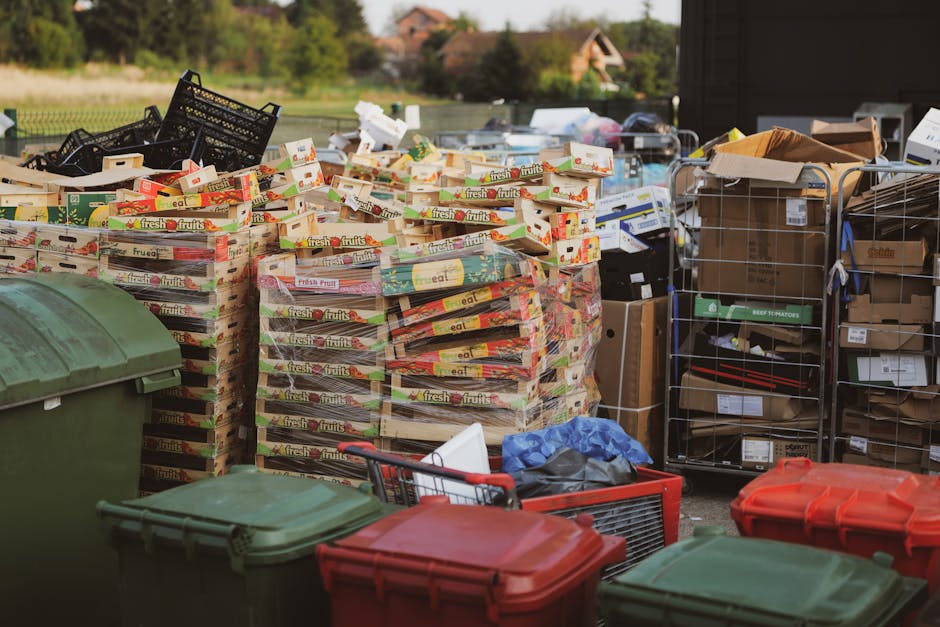
If you live in a flat near Peckham Rye, you already know rubbish can become a small problem very quickly. One missed collection, one broken lift, one pile of bulky items in a shared hallway, and suddenly the whole building feels untidy. Peckham flats rubbish collection near Peckham Rye South London is not just about getting rid of waste; it is about keeping common areas clear, avoiding complaints, and making sure everything is handled safely and properly.
This guide explains how collection usually works in flats, what makes it different from a standard house clearance, and how to choose a sensible, reliable service when the bins are overflowing or a tenancy has ended. You will also find practical tips, a comparison table, a checklist, and answers to the questions people actually ask. If you are comparing providers, it can help to start by looking at who is behind the service and then use the contact page when you are ready to ask about access, timing, or a same-day collection.
Table of Contents
- Why Peckham flats rubbish collection near Peckham Rye South London Matters
- How Peckham flats rubbish collection near Peckham Rye South London Works
- Key Benefits and Practical Advantages
- Who This Is For and When It Makes Sense
- Step-by-Step Guidance
- Expert Tips for Better Results
- Common Mistakes to Avoid
- Tools, Resources and Recommendations
- Law, Compliance, Standards, or Best Practice
- Options, Methods, or Comparison Table
- Case Study or Real-World Example
- Practical Checklist
- Conclusion
- Frequently Asked Questions
Why Peckham flats rubbish collection near Peckham Rye South London Matters
Flats create waste problems that are a little more awkward than houses. There are shared entrances, narrow stairwells, limited storage, and often not enough room for bulky items to sit around for long. In a busy area like Peckham Rye, that matters even more because foot traffic is higher, schedules are tighter, and neighbours notice mess fast. A bag left by the bins for a day can become a sticking point. A sofa in the hallway can block access. It only takes one small delay.
For residents, the main concern is usually convenience. For landlords and managing agents, it is reputation, safety, and keeping communal areas usable. For tenant turnovers, the issue is speed. Let's face it, no one wants to hand over keys with a load of old furniture still sitting in the living room.
There is also a hygiene angle. Waste left in shared spaces can attract pests, create odours, and lead to more complaints than you'd expect. In older mansion blocks and converted properties, where bin stores are not always generous, the pressure can build quickly. Good collection planning is one of those unglamorous things that saves a lot of grief later.
Practical takeaway: In flats, rubbish collection is not only about disposal. It is about access, timing, neighbour relations, and keeping communal areas safe enough for everyone to use without friction.
How Peckham flats rubbish collection near Peckham Rye South London Works
In most cases, flat rubbish collection follows a simple pattern: assess the waste, plan access, remove the items, load them safely, and dispose of everything responsibly. The details matter though, especially in apartment buildings where you may need to work around parking limits, building rules, or narrow stairs.
Typical collection steps
- Initial description: You explain what needs to go, roughly how much there is, and whether it is general rubbish, bulky waste, furniture, electricals, or a mix.
- Access check: The provider considers whether the flat is on a high floor, whether there is lift access, and whether parking is easy enough for a vehicle to stop nearby.
- Arrival window: A sensible collection window helps avoid annoying neighbours or clashing with peak building times.
- Removal: Items are taken from the flat, staircase, or agreed pickup point and loaded carefully.
- Sorting and disposal: Reusable, recyclable, and general waste are handled according to the provider's process and local expectations.
Some jobs are straightforward. A few black bags, an old mattress, and a couple of shelves? Usually simple enough. Others are more fiddly. Think of a second-floor flat with no lift, an awkward parking bay, and a bulky wardrobe that somehow got into the room but refuses to leave quietly. That is where experience starts to show.
For many customers, the best first step is to make direct contact and explain the situation clearly. If you are comparing options, the main website can help you understand the wider service, while the contact page is the place to ask about timing, building access, and what can be removed in one visit.
Key Benefits and Practical Advantages
A good flat rubbish collection service offers more than convenience. It removes friction from the parts of building life that tend to cause the most irritation.
- Faster clear spaces: Useful when you are moving out, preparing a flat for new tenants, or simply trying to reclaim a cluttered room.
- Less stress with shared access: Collected items can be removed without you dragging heavy things through the estate or leaving them in communal areas.
- Better presentation: Clean hallways and bin stores make a surprising difference to the feel of a block.
- Reduced risk of complaints: Neighbours tend to react badly to smell, clutter, or blocked passages. Understandably so.
- More suitable for bulky items: Sofas, wardrobes, broken desks, and white goods are often the awkward ones that council-style bin collection cannot deal with quickly.
- Convenient for time-sensitive jobs: Ideal when a tenancy ends, a probate property needs sorting, or a renovation has created debris that needs clearing fast.
There is also peace of mind. You are not left wondering whether the items were taken to the right place or whether the collection will happen on time. That certainty matters, especially in a flat where space is at a premium and unfinished jobs are noticeable.
Who This Is For and When It Makes Sense
This type of collection is useful for a wide mix of people, and the reason usually depends on the property situation rather than the waste itself.
Residents
If you are decluttering, replacing furniture, or dealing with a one-off clear-out after a busy period, a collection can save a lot of heavy lifting. It is especially helpful if you do not own a car, live upstairs, or simply do not fancy carrying a broken bed frame down three flights. Fair enough.
Landlords and letting agents
Turnaround time is the main issue here. Between tenancies, flats can gather leftover furniture, old kitchen bits, and general rubbish that needs to go before the next viewing or inventory check. A proper collection helps get the flat back to a lettable state without delay.
Managing agents and block managers
Communal waste problems can quickly become an everyday headache. If bin stores are overflowing or bulky waste keeps appearing in hallways, a targeted collection can restore order without waiting for a much larger building-level reset.
Families handling a difficult clear-out
Sometimes the job is emotional as well as practical. Clearing a flat after a family change, a move, or bereavement is rarely just about rubbish. Having a straightforward service means one less thing to organise while everything else is going on.
Ask yourself: is the problem really "we have rubbish," or is it "we need this sorted without creating a bigger problem in the building"? That second version is often the real one.
Step-by-Step Guidance
If you want a smooth collection, a little preparation goes a long way. You do not need to stage the flat like a showroom, not at all, but a clear plan helps everything move faster.
- Make a simple inventory. Walk through the flat and note the main items. Separate bulky furniture from bagged rubbish and anything fragile.
- Check access details. Mention stairs, lifts, parking limits, loading restrictions, and any concierge or building entry rules.
- Set aside anything you are keeping. This sounds obvious, yet it is the mistake people make most often. Put paperwork, keys, chargers, and sentimental items somewhere safe.
- Identify problem items. Fridges, mattresses, broken glass, and mixed waste may need special handling or at least clearer communication.
- Choose a time that works for the building. Early mornings or quiet midday slots are often easier than late afternoon when everyone comes home.
- Prepare the route. If possible, clear the hallway and move smaller loose items out of the way so the crew can work safely.
- Confirm disposal expectations. A good provider should be clear about what happens to the waste and how they handle different materials.
- Do a final walkthrough. Check cupboards, balconies, and storage spaces before the van leaves. People forget the oddest things. Remote controls. Small plants. A charger tucked behind a radiator. It happens.
If you are dealing with a more complex clear-out, it can be useful to ask about company background, insurance, and process before booking. A service page like about the team is often a sensible place to check credibility before you commit.
Expert Tips for Better Results
After enough flat clearances, certain patterns show up again and again. The good news? Most problems are avoidable.
Be precise about volume
"A few bits" can mean anything from three bags to half a room full of dismantled furniture. The more precise you are, the easier it is to match the right vehicle and team size to the job.
Separate reusable items if you can
Even if you are not planning to sell or donate anything yourself, keeping reusable items separate makes the whole job cleaner and more efficient. It also prevents good items from being mixed in with general rubbish by mistake.
Think about building etiquette
In a flat block, timing matters. Mid-morning on a weekday is often less disruptive than a busy evening slot. If there is a concierge, caretaker, or building manager, let them know what is happening. A quick heads-up can stop a small job turning into a drama.
Clear the path before the team arrives
There is a difference between a cluttered flat and an inaccessible one. If the team can move safely from room to room, everything tends to go faster and more smoothly.
Ask for practical confirmation
If you are unsure whether something counts as bulky waste, mixed waste, or recyclable material, ask before collection day. That tiny question can save time and avoid confusion.
Sometimes the best advice is unglamorous: label things, measure the awkward furniture, and keep the lift free if the building allows it. Boring? Yes. Effective? Also yes.
Common Mistakes to Avoid
Small mistakes are what usually make a flat rubbish collection slower, costlier, or more annoying than it needs to be.
- Leaving the booking too late: If you wait until the hallway is already crowded with bags, the pressure becomes higher and choices narrower.
- Underestimating access issues: A provider may arrive prepared for a straightforward pickup, only to find no parking space or a blocked stairwell.
- Mixing junk with valuables: One overlooked envelope or charger can disappear into the pile. It is worth checking twice.
- Forgetting building rules: Some blocks have quiet hours, lift protection rules, or loading restrictions. Ignoring them is a fast way to upset people.
- Dumping items in communal areas: This is a classic error. It creates risk and usually causes complaints.
- Not being honest about the load: A half-truth about volume or item type often leads to a less efficient visit and extra hassle for everyone.
And yes, people do sometimes book a collection and then realise the bulky wardrobe needs dismantling. That little moment of silence when the flat owner stares at the hinges? Very familiar. Better to check first.
Tools, Resources and Recommendations
You do not need specialist equipment for every flat collection, but a few practical tools make life easier.
- Strong bin bags: Useful for loose household waste and smaller clear-out items.
- Labels or tape: Handy for marking what stays and what goes.
- Basic gloves: Useful if you are sorting through dusty cupboards, loft-style storage, or old bagged waste.
- Measuring tape: Helpful for bulky furniture that may need to pass through a narrow doorway or stair turn.
- Phone photos: Good for showing collection teams the scale of the job before they arrive.
For service information, pricing conversations, and next-step planning, the most practical route is usually to use the contact page. If you want to understand the terms that shape booking, access, and service conditions, the terms and conditions are also worth a quick read. Not thrilling, admittedly, but very useful.
Law, Compliance, Standards, or Best Practice
Waste collection in London is not just a matter of lifting and loading. There are sensible expectations around safe handling, responsible disposal, and keeping properties and public areas free from nuisance. While the exact legal obligations vary by situation, it is always wise to use a provider that works carefully, communicates clearly, and disposes of waste through proper channels.
For flats, best practice usually includes:
- keeping communal walkways clear
- avoiding unsafe lifting or dragging of heavy items
- protecting walls, stairs, and flooring where practical
- sorting materials sensibly where possible
- making sure waste is not abandoned in shared spaces
If you are a landlord or managing agent, it is also sensible to document what was removed, especially after a tenancy change or during a wider property handover. A short record can save a long argument later. Truth be told, paper trails are boring until the day you need one.
Because rules and local arrangements can vary, it is better to ask a provider how they handle collection, transport, and disposal than to assume every job is managed the same way.
Options, Methods, or Comparison Table
When dealing with flat waste near Peckham Rye, most people compare a few realistic options rather than one perfect solution. The best choice depends on volume, access, urgency, and whether the waste includes bulky items.
| Option | Best for | Strengths | Limitations |
|---|---|---|---|
| Self-clear and take to a disposal site | Small loads and people with transport | Can be cheap if you already have a vehicle | Time-consuming, heavy lifting, awkward with flat access |
| Council-style bulk arrangements | Non-urgent single items | Useful for simpler, less time-sensitive waste | May not suit urgent clear-outs or mixed bulky loads |
| Private flat rubbish collection | Busy flats, tenancy changes, mixed waste, bulky items | Convenient, fast, tailored to access issues | Cost depends on volume and difficulty |
| Full house or flat clearance | End-of-tenancy, probate, major decluttering | Suitable for large or complex jobs | More involved than a small one-off collection |
In practical terms, a private collection is often the best fit when the load is too much for regular bins but not quite a full renovation strip-out. It sits in that useful middle ground.
Case Study or Real-World Example
A common scenario goes like this. A tenant moves out of a one-bedroom flat near Peckham Rye and leaves behind a bed base, a table, two chairs, mixed bagged rubbish, and a couple of broken kitchen items. The building has a narrow stairwell, no lift, and parking is limited. The landlord needs the place cleared before cleaners arrive the next day.
The sensible approach is to describe the items clearly, mention the stairs and parking issue up front, and book a time slot that avoids the building's busiest period. On the day, the team removes the items in one visit, checks the flat for forgotten bits, and leaves the space ready for cleaning. Simple enough, but only because the access details were discussed before anyone turned up with a van full of optimism and not enough information.
Another example: a couple decluttering a small flat after years of accumulated furniture. They do not need a whole clearance, just a handful of bulky items and a pile of mixed waste from a wardrobe clear-out. The job is quick, but the useful part is that they do not have to carry a wardrobe down the stairs or spend their Saturday fitting everything into a borrowed car. Weekend saved. Peace restored.
Practical Checklist
Use this before arranging Peckham flats rubbish collection near Peckham Rye South London:
- Walk through every room and identify what needs removing
- Separate rubbish, bulky furniture, and anything fragile
- Check whether there is lift access or only stairs
- Note parking restrictions or loading space limits
- Confirm any building rules with the concierge or manager
- Put aside valuables, paperwork, and items you want to keep
- Take a few photos if the load is hard to describe
- Choose a collection time that suits the building and neighbours
- Ask what happens to different waste types
- Do a last check of cupboards, balconies, and storage areas
If you can tick most of those off, the collection day tends to go much more smoothly. Honestly, that little bit of prep makes a noticeable difference.
Conclusion
Peckham flats rubbish collection near Peckham Rye South London is really about making flat life easier: less clutter, fewer delays, safer shared spaces, and a cleaner handover when the job needs to be done quickly. Whether you are a resident clearing out a few bulky items, a landlord getting a flat ready for the next tenant, or a managing agent dealing with a recurring waste issue, the same basic principles apply: be clear, plan the access, and choose a service that understands the realities of flats.
When the details are handled well, the whole process feels much lighter. Not perfect, maybe, but lighter. And in a busy part of South London, that counts for a lot.
Get a free quote today and see how much you can save.
If you want to understand the team behind the service before you book, take a look at about us, or use contact us to discuss your flat, access, and timing.
Frequently Asked Questions
What is the best way to arrange rubbish collection for a flat near Peckham Rye?
The best approach is to list the items, note access details such as stairs or lift use, and contact a provider with clear information about volume and timing. That makes the booking more accurate and reduces delays on the day.
Can bulky furniture be collected from an upstairs flat?
Yes, in many cases it can. The main factors are access, weight, stair width, and whether the item needs dismantling first. A provider should be told about these details in advance so the job can be planned safely.
Do I need to be at the flat during the collection?
Often yes, especially if the team needs access to the building, entry codes, or specific rooms. Some arrangements can be made with a key handover or agent presence, but that should be agreed beforehand.
How much notice do I need for a rubbish collection in a Peckham flat?
It depends on the provider and the size of the job. Smaller clear-outs may be arranged quickly, while larger or more complex collections can benefit from a little more notice. If you need a tight turnaround, say so early.
What should I do with items I want to keep before the collection starts?
Move them to a separate room, cupboard, or clearly marked area. It sounds basic, but it is one of the most useful things you can do. Confusion tends to happen when keep-items and remove-items are left together.
Can rubbish be collected from communal areas in a block of flats?
Yes, but only if it is agreed and safe to do so. Items should not block hallways, exits, or shared access points. Communal spaces need to stay clear for residents and emergency access.
What types of waste usually cause problems in flat collections?
Heavy furniture, mattresses, broken white goods, mixed bagged waste, and awkward items from storage spaces are the usual suspects. These items often need more planning than general bagged rubbish.
Is flat rubbish collection different from a full flat clearance?
Yes. A collection usually focuses on specific items or a moderate amount of waste, while a full clearance removes most or all contents from the flat. The right option depends on how much needs to go.
How can I avoid upsetting neighbours during the collection?
Book a sensible time, keep hallways clear, avoid leaving waste in shared areas, and let the building manager know if needed. Small courtesies go a long way in flats, especially in busy buildings.
What should I ask before booking a collection?
Ask what information they need about access, whether lifting or dismantling is included, how they handle different waste types, and what the booking process looks like. If you are unsure, use the contact page and spell it out clearly.
Can I mix household rubbish with old furniture in one collection?
Usually yes, but it is best to describe the mix accurately. Mixed loads are common in flats, but the provider needs to know what is included so the right vehicle and approach can be used.
Where can I find the terms for the service before I book?
You can review the terms and conditions before arranging a collection. It is a sensible habit, especially if the job involves building access, timing, or a larger amount of waste.
Sometimes the tidy flat is not the hard part. It is getting there without stress. One clear plan, one careful collection, and the whole place feels easier to live in again.