Southwark Council Rules for Disposing Bulky Waste South London
If you are staring at an old sofa, a broken wardrobe, or a mattress that has been leaning in the hallway for far too long, you are not alone. The rules around Southwark Council rules for disposing bulky waste South London can feel straightforward at first, then suddenly confusing the moment you need a real answer. What counts as bulky waste? What should be booked, carried, recycled, or passed to a licensed carrier? And what if you need it gone quickly without making a mess of the pavement or upsetting the neighbours?
This guide breaks it all down in plain English. You will get a clear explanation of the local expectations, how bulky waste disposal usually works in South London, what to avoid, and when a professional clearance service can save time, stress, and a bit of back strain too. Let's face it, nobody wants to spend a Saturday wrestling a filing cabinet down three flights of stairs.
Table of Contents
- Why Southwark Council rules for disposing bulky waste South London Matters
- How Southwark Council rules for disposing bulky waste South London Works
- Key Benefits and Practical Advantages
- Who This Is For and When It Makes Sense
- Step-by-Step Guidance
- Expert Tips for Better Results
- Common Mistakes to Avoid
- Tools, Resources and Recommendations
- Law, Compliance, Standards, or Best Practice
- Options, Methods, or Comparison Table
- Case Study or Real-World Example
- Practical Checklist
- Conclusion
- Frequently Asked Questions
Why Southwark Council rules for disposing bulky waste South London Matters
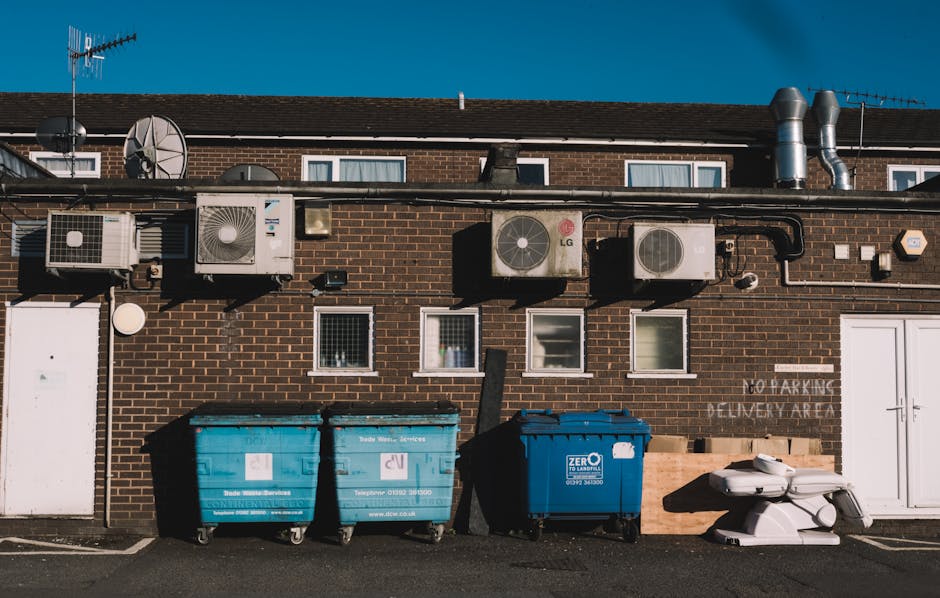
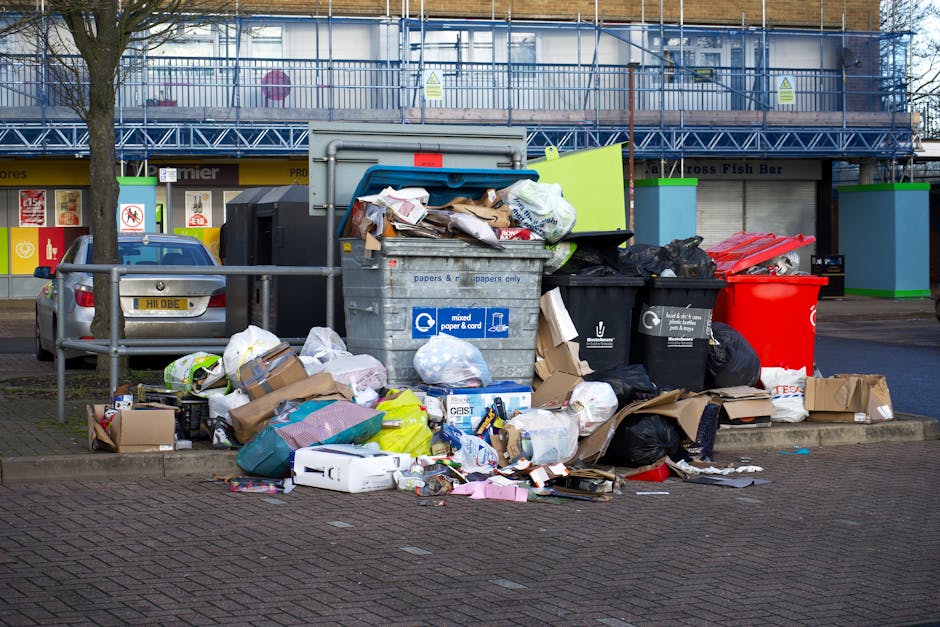
Bulky waste is not just "big rubbish". In council terms, it usually means items that are too large or awkward for normal household bins and regular collection rounds. Think sofas, armchairs, beds, wardrobes, tables, mattresses, fridge-freezers, drawers, and similar furniture or household items. The reason the rules matter is simple: large items can block pavements, create hazards, and cause avoidable fly-tipping if people try to dump them the wrong way.
South London is busy. Streets can be narrow, parking is tight, and shared entrances are common. That means one badly placed mattress can create more hassle than people expect. A neighbour may need access. A refuse crew may refuse an unsafe pile. Or a piece left on the street too early can disappear into the wrong hands and still leave you responsible for the mess. Not ideal.
There is also a practical side. If you dispose of bulky items properly, you are much more likely to keep things tidy, protect your deposit if you rent, and avoid last-minute charges for emergency removal. For landlords, letting agents, and property managers, correct disposal is part of keeping the property ready for the next occupant. In our experience, that is where the headaches usually start: not with one item, but with three or four arriving all at once after a move-out.
For readers comparing council collection with private clearance, it can help to think about the type of job in front of you. A single sofa might fit a council route. A full flat clearance usually needs a more flexible solution such as flat clearance support or a broader rubbish removal service. That distinction saves a lot of time later.
How Southwark Council rules for disposing bulky waste South London Works
While exact council procedures can change, the general structure is usually consistent across local authorities in London. You normally need to identify the item, confirm whether it qualifies as bulky waste, check how many items are allowed, arrange the collection method, and present the waste in the correct way. Simple on paper. Slightly less simple when you are carrying a dismantled wardrobe past a bike rack in the rain.
In practical terms, bulky waste disposal usually falls into one of these routes:
- a council bulky waste collection arrangement
- a household waste recycling or reuse option, where suitable
- a licensed private waste carrier
- a specialist clearance service for larger or mixed loads
Each route has its own trade-offs. Council collection is often convenient for a small number of items, but it may be less flexible on timings, item types, or access. Private clearance is often better for bigger loads, same-week removal, awkward access, or when several waste streams are involved at once. If the job includes old furniture, garage clutter, and a few bags of general rubbish, a blended clearance approach can be easier than trying to split the job into pieces.
It is also worth noting that not everything bulky is treated the same. White goods, electrical items, and construction debris may be handled differently from a standard sofa or bed frame. For example, renovation offcuts are better considered under builders waste removal, while a tired office desk may fit more naturally within office clearance. That is the kind of detail people often miss the first time around.
If you are dealing with only one item, such as a sofa, dedicated removal can be the cleanest route. A targeted sofa removal service is a good example of a narrow, efficient solution rather than a catch-all approach.
Key Benefits and Practical Advantages
When you follow the rules properly, the benefits are bigger than just getting rid of old furniture. You reduce stress, keep the property safe, and avoid avoidable delays. That sounds obvious, but in real life it is often the difference between a tidy handover and a frantic end-of-week scramble.
- Cleaner kerbside presentation: Waste is less likely to be left out incorrectly or become an eyesore.
- Lower risk of enforcement issues: Proper disposal reduces the chance of complaints or penalties linked to fly-tipping.
- Better recycling outcomes: Reusable or recyclable parts can be separated rather than lumped together.
- Faster property turnover: Particularly useful for landlords, agents, and sellers preparing for viewings.
- Less physical strain: Heavy lifting is hard on the back and knees. No glamour in it, frankly.
There is also a hidden benefit: planning. Once people know how bulky waste should be handled, they are less likely to leave things until the last minute. That changes everything. A ten-minute booking decision on a Monday can prevent a two-hour panic on Friday evening.
For homeowners, a sensible disposal plan also helps during seasonal clear-outs. Garage clutter, garden furniture, and old appliances tend to build up slowly, then all at once. If that sounds familiar, you may also want to look at garage clearance and garden clearance options when the job is broader than one or two household items.
Who This Is For and When It Makes Sense
This topic is relevant to more people than you might think. It is not just for homeowners with a broken wardrobe. Tenants, landlords, estate agents, builders, shop owners, and office managers all run into bulky waste at some point. South London properties also come in all shapes and sizes, from compact flats to older terraced homes with tight stairs, shared hallways, or basement access. Those layout quirks matter a lot.
Here are the most common situations where the rules really matter:
- moving house and leaving behind furniture
- replacing a sofa, bed, or mattress
- clearing a rental property between tenancies
- emptying a garage, loft, or shed
- disposing of old office furniture or equipment
- getting rid of garden furniture after a refurb
- handling mixed waste after repairs or redecorating
It makes sense to think about bulky waste rules before the load becomes unmanageable. If the job is a whole property rather than one room, a full house clearance or home clearance can be more practical than several smaller trips. That is especially true if the items are scattered through different rooms. One couch in the lounge, a broken chest of drawers upstairs, boxes in the loft... you know how it goes.
Commercial clients should also be careful. Business waste is not the same as household bulky waste, and it should be handled through appropriate channels. If you are clearing premises, business waste support can be more suitable than a general domestic collection. It sounds dry, but getting the category right avoids hassle later.
Step-by-Step Guidance
Here is a simple way to handle bulky waste disposal without overthinking it. Keep it practical.
- List every item. Write down what you need to dispose of. Include furniture, mattresses, electricals, and any odd bits tucked behind cupboards. People often forget the "small" item that turns out to be awkward.
- Sort by type. Separate furniture, electricals, garden waste, builders waste, and general rubbish. Mixed loads are manageable, but it helps to know what you have.
- Check access. Measure doorways, stairwells, lifts, and parking space if needed. This matters in flats and basement properties, especially in Southwark where access can be tight.
- Decide the route. Council collection, reuse, recycling, or private clearance? Choose the route that fits the size and urgency of the job.
- Prepare the items. Empty drawers, remove loose fittings, and dismantle large pieces if that makes collection safer.
- Place items correctly. Follow any instructions about where to leave the waste and when to present it. Do not block entrances or shared walkways.
- Keep proof of disposal. A booking reference, receipt, or confirmation message is useful if questions come up later.
If the load includes a mix of household bits and specialist waste, it is often easier to book a service that can handle several categories together. A single visit for rubbish clearance or waste clearance can be more efficient than trying to split the work into three separate arrangements. Less moving parts. Less chance of one step going sideways.
For larger item removal, the goal is not just to get things out. It is to get them out safely, legally, and with the least friction for everyone involved.
Expert Tips for Better Results
Over time, a few habits make bulky waste disposal much easier. They are not flashy, just sensible.
- Bundle similar items together. A sofa, armchair, and cushions are easier to assess as a set than as scattered pieces.
- Take photos before booking. Clear images of the items and access route help avoid misunderstandings.
- Check for hidden weight. Old wardrobes, filing cabinets, and beds can be heavier than they look, especially once damp or damaged.
- Separate reusable items early. If something can be donated or reused, decide that before it gets mixed into general waste.
- Plan around building rules. Flats and managed estates may have strict collection windows or lift restrictions. Don't assume you can just wheel things out at any hour.
A small but useful tip: dismantling items just enough to make them safe can save time, but over-dismantling can make collection messier. There is a sweet spot. Remove the legs, empty the drawers, maybe take the doors off a wardrobe if needed. No need to turn it into a flat-pack puzzle unless that genuinely helps.
If you are dealing with worn-out furniture across several rooms, a dedicated furniture disposal approach is often the neatest route. It keeps the process focused rather than dragging in every type of waste at once.
Expert summary: the best bulky waste job is the one that is sorted before it reaches the kerb. A little planning up front usually saves a lot of time, a lot of lifting, and a bit of embarrassment too.
Common Mistakes to Avoid
Most bulky waste problems come from a handful of avoidable mistakes. The items themselves are usually not the issue. It is the process.
- Leaving items out too early. This can create obstruction, complaint risk, or unwanted attention from passers-by.
- Mixing household waste with renovation debris. Builders waste often needs a different handling route.
- Assuming everything is council-collectable. Some items may have exclusions or special requirements.
- Using an unlicensed carrier. If waste is not handled properly, the responsibility can bounce back to you.
- Forgetting about access constraints. A sofa may fit the room but not the stairwell. That is a classic one.
- Ignoring local building rules. Shared flats, estates, and managed properties can have their own collection rules.
Another common one is people booking the wrong type of service because the item sounds simple. A sofa is not always just a sofa. If it is paired with a mattress, a wardrobe, and a broken desk, you are no longer dealing with a one-item job. You are dealing with a small clearance, and the solution should match that reality.
Truth be told, the fastest way to make bulky waste disposal painful is to guess. A careful 10-minute review before booking tends to pay for itself.
Tools, Resources and Recommendations
You do not need fancy equipment, but a few practical tools make the job easier. A tape measure, sturdy gloves, bin bags for loose contents, and a torch for lofts or garages will save time. If you are dismantling furniture, keep the right screwdriver or Allen key to hand. It is always the one missing from the toolbox, isn't it?
Here are the most useful resources to prepare before arranging disposal:
- photos of each item
- measurements of the largest pieces
- a list of access challenges, such as stairs or tight corners
- any building instructions for collections
- confirmation of what is being taken and what is staying
From a service perspective, different jobs suit different clearance options. A few broken chairs in a cellar may be fine as a small rubbish collection. A fuller domestic job may fit a waste collection or waste disposal arrangement. And when the item list turns into a room-by-room sweep, a broader waste removal service may be the easiest path.
If you are clearing a property in South London and want a service that understands tight access, awkward staircases, and mixed waste, you may also want to read about the company's wider service range via the about us page. That helps you judge whether the provider matches the job.
Law, Compliance, Standards, or Best Practice
When bulky waste is involved, the big compliance point is simple: waste must be handled responsibly and passed to the right person or system. In the UK, the general expectation is that waste should not be dumped, abandoned, or handed to anyone who cannot properly deal with it. If you use a private carrier, it is sensible to make sure they are legitimate and can manage the waste properly.
For households, the best practice is to keep evidence of lawful disposal where possible. For landlords, businesses, and managing agents, the bar is even higher because there is an operational duty to keep clear records and avoid nuisance. If you are dealing with commercial premises, a proper business waste arrangement is usually the safer route than relying on a casual pickup.
There is also a safety angle. Heavy items should be moved without blocking fire exits, communal paths, or access routes. That matters in flats and shared buildings, especially in older South London properties where staircases are narrow and lifts are limited. The best practice is to keep collections controlled, timed, and tidy. A collection that leaves the corridor clear by lunch is a good collection. Simple as that.
If your bulky waste includes renovation debris, think carefully before mixing it with household items. Builders waste often needs separate handling because of weight, sharp edges, and different disposal expectations. That is where a bit of planning prevents awkward questions later.
Options, Methods, or Comparison Table
Choosing the right route depends on how much you have, how quickly it needs to go, and whether access is straightforward. Here is a plain comparison to help.
| Option | Best for | Pros | Watch-outs |
|---|---|---|---|
| Council bulky waste collection | One-off household items | Simple for small jobs, local route, usually familiar process | May be less flexible on timing, item types, or volume |
| Private bulky waste removal | Fast turnaround and mixed loads | More flexible, often better for awkward access or several items | Needs a reputable operator and clear item list |
| Reuse / donation | Usable furniture or appliances | Good for extending item life, reduces waste | Items must be clean, complete, and still usable |
| Specialist clearance | Full rooms, flats, garages, or offices | Handles larger volumes and mixed materials | May be more than you need for a single item |
In real life, people often start with one option and end up needing another. A couple of broken chairs becomes a wardrobe, then a mattress, then a box of odds and ends from the shed. That is why flexible services exist. If the job has grown beyond one item, a more complete solution such as house clearance or home clearance can be more efficient than trying to stitch together several smaller bookings.
Case Study or Real-World Example
A typical South London scenario goes like this. A tenant in a two-bedroom flat in a converted building in Southwark is moving out on a Friday. The flat has a sofa, a mattress, two broken dining chairs, and a couple of bags of general clutter from a storage cupboard. The lift is small, the stairwell is tight, and the building manager wants the hallway kept clear. Not exactly the sort of thing you want to improvise at 8 p.m. on moving day.
Instead of leaving everything to the last minute, the tenant photographs the items, checks access, and decides the job is bigger than a single-item council collection. A combined clearance approach is booked. The items are removed in one visit, with the larger furniture taken carefully through the shared access route and the smaller bits sorted separately. The flat is left clear, the hallway stays tidy, and the handover goes ahead without drama.
That same pattern repeats in garages and family homes all over South London. The win is not just speed. It is predictability. When you know what is being removed and how it will be handled, the whole thing becomes much less stressful. You can hear the difference, even, once the banging and dragging stops and the place goes quiet again.
Practical Checklist
Use this checklist before you arrange bulky waste disposal:
- Have I listed every bulky item?
- Have I separated furniture, electricals, garden waste, and builders debris?
- Do I know whether the items are reusable, recyclable, or waste?
- Have I measured the largest pieces and checked access?
- Do I know the collection location and any building rules?
- Have I confirmed whether a council route or private clearance is better?
- Do I have photos ready if I need to get a quote?
- Have I emptied drawers, cupboards, and loose contents?
- Have I avoided blocking exits or communal walkways?
- Do I have confirmation or proof of the booking?
Quick takeaway: if the job looks like more than one item, or if access is awkward, do not force it into the wrong disposal method. Choose the route that matches the real job, not the ideal version in your head.
Conclusion
Understanding Southwark Council rules for disposing bulky waste South London is mostly about making sensible choices early. Identify the items, sort them properly, choose the right disposal route, and keep the access safe and simple. That alone prevents a surprising amount of trouble. And if the job is bigger than a routine pick-up, there is no shame in using a professional service to keep things moving.
For South London residents, landlords, and businesses, the key is not perfection. It is a clear, practical plan. A good disposal plan saves time, avoids confusion, and leaves the space usable again. Which, at the end of the day, is what you want.
If you are dealing with bulky furniture, mixed household waste, or a property that needs a proper clear-out, it can be worth exploring the service options that fit the scale of the job. For more support with removal and clearance across South London, start by comparing the relevant service pages and choose the one that matches your situation best.
Get a free quote today and see how much you can save.
Frequently Asked Questions
What counts as bulky waste in Southwark?
Bulky waste usually means large household items that do not fit in normal bins, such as sofas, beds, wardrobes, mattresses, tables, and similar furniture. Some electrical items may also fall into this group depending on the disposal route.
Can I leave bulky waste on the pavement in South London?
Usually, no. Leaving items out without following the correct collection process can create obstruction, attract complaints, or be treated as improper disposal. It is safer to arrange the collection properly and follow the presentation instructions exactly.
Is council bulky waste collection always the cheapest option?
Not always. It can be cost-effective for a single item or a small number of items, but once the job becomes mixed, heavy, or time-sensitive, a private clearance service may be better value overall because it avoids multiple bookings and extra hassle.
What should I do with a broken sofa or mattress?
A dedicated furniture or sofa removal route is often the simplest option. If it is just one item, that can be very straightforward. If the sofa is part of a larger clear-out, a broader waste or home clearance service may make more sense.
Do I need to separate furniture from general rubbish?
Yes, ideally. Separating items helps identify what can be reused, recycled, or disposed of correctly. It also makes the booking clearer and helps avoid the common problem of mixing household waste with specialist items like builders debris.
What if I live in a flat with narrow stairs or no lift?
That is where planning matters most. Measure the access route, check building rules, and choose a service that can handle awkward access safely. Flats often need more thought than houses, especially with large furniture.
Can I get rid of office furniture with the same process?
Sometimes, but business premises should usually be handled as business waste rather than ordinary household bulky waste. Desks, chairs, shelving, and mixed office contents are often easier to manage through an office clearance route.
Are builders' offcuts treated as bulky waste?
Not usually in the same way as household furniture. Builders waste often needs separate handling because it is heavier, sharper, and typically generated by renovation or construction work. It is best to keep that separate from domestic bulky items.
How do I know if I should book a clearance service instead of council collection?
If you have several items, limited time, awkward access, or a mixed load, a clearance service is often the more practical choice. If it is just one straightforward item and timing is flexible, council collection may be enough.
Can bulky items be reused instead of thrown away?
Yes, if they are clean, complete, and still usable. Reuse is always worth considering first. A sturdy table or working chair may not need disposal at all, which is better for both your space and the environment.
What proof should I keep after disposal?
Keep any booking confirmation, receipt, or message that shows the item was collected properly. It is useful if there is a question later from a landlord, building manager, or local authority. Best to keep it, just in case.
Is bulky waste disposal different for landlords?
Yes, in practice it often is. Landlords usually need faster turnaround, clearer documentation, and careful handling between tenancies. A broader house or flat clearance is often more efficient than arranging separate small removals.